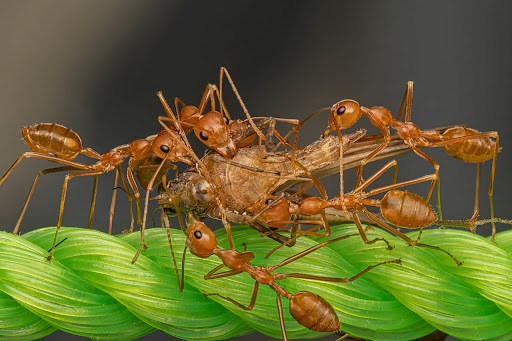
Shielding the plants from insects in your yard is pretty tough. Pests can harm your plants and prevent your plants from healthy and consistent development. As a result, you ought to execute some bug control techniques to keep your lawn secured. Chemical pesticides may harm your plants and leave residues. So, you should learn organic methods for pest control.
Identify Garden Pest Infestation Issues Early
Regular inspection will help you find the pest infestation signs. You have to check for:
- Distorted growth
- Chewing damage
- Small bugs on plants
Early detection allows you to prevent severe damage from pests. You can then apply the natural insecticide and save the plants from pests.
Protect Beneficial Insects
Not every insect in the lawn is damaging. Butterflies and various other pollinators aid in keeping eco-friendly and boost plant development. You can get in touch with specialists for a highly-targeted treatment for pests in your yard.
Introduce Natural Predators To Your Garden
This is another effective technique for pest control in Venice, FL. For instance, ladybugs are predators of aphids in your garden. Your farm should have bird feeders and nesting boxes to attract birds. The insect population will be under control.
Use Diatomaceous Earth And Bacillus Thuringiensis
Diatomaceous earth is a powdered compound that includes fossilized marine phytoplankton deposits. It eliminates pests by drying them out. You can just use the powder near the plant’s base to protect against ants infestation.
You can additionally be benefitted by growing bacteria normally, that is Bacillus thuringiensis, to decrease caterpillars’ infestation. It produces toxins, which damages caterpillars. The bacteria is also effective in killing corn earworms and cabbage loopers.
Cultivate Some Plants Beneficial To Other Plants
While growing your garden, you have to choose plants that are beneficial to each other. Some plants have the potential to deter bugs and attract good insects. For example, you can grow basil plants near your tomato plants to prevent pest infestation and attract bees. You may choose other companion plants to control pests in gardens.
Ensure Proper Drainage
Improper drainage and overwatering make the environment favorable for pests. That is why you should consider proper watering of your plants to keep the soil moist. There must be no waterlogging, as it attracts pests and mosquitoes. Consistent watering reduces the risk of pest issues.
Rotate Crops
Crop rotation is the best practice for pests that attract particular plant species. For instance, if you planted tomatoes last year, you should grow beans next year. It will discourage the repeated infestation of pests.
Maintain Weed Control
Remove debris and weeds from your garden, as they are the hiding places for pests. Your garden must not be the breeding site for pests. You can also hire professionals to cut weeds from the yard.
These are some ways to control your garden pests and protect your plants from infestation. With a minimal effort, you can create a healthy garden with several flowers and crops. Pest control specialists also keep your garden safe from harmful bugs.